
Back to Blog
Blog / Technical Insights
Technical Insights
Advanced Hazardous Material Management: Safe Asbestos Removal in 2026
Asbestos remains one of the most hazardous materials encountered during ship dismantling. This guide covers the engineering controls, PPE requirements, and waste disposal protocols that define best-in-class asbestos management at compliant ship recycling yards.
Technical Operations Team
Health, Safety & Environment
28 Apr 20268 min
Asbestos was extensively used in shipbuilding throughout the mid-to-late twentieth century — in engine room insulation, pipe lagging, gaskets, deckhead linings, and fireproofing materials. Despite being banned in new construction in most jurisdictions since the 1990s, a substantial proportion of end-of-life vessels arriving at recycling yards today still contain asbestos in quantities that require specialist management.
The first stage of safe asbestos management is accurate identification. Under the Hong Kong Convention's Inventory of Hazardous Materials (IHM) framework, vessels are required to carry a Part I IHM that catalogues all hazardous materials present, including their location and approximate quantity. In practice, however, IHM documentation is often incomplete or absent for older tonnage, which places the burden of identification squarely on the receiving yard's technical team.
At Baraka Ship Recycling, our pre-recycling survey protocol includes a systematic compartment-by-compartment inspection using certified hazmat surveyors. Suspect materials are sampled and sent to an accredited laboratory for analysis before any cutting or demolition work begins in the relevant area. This approach eliminates the risk of accidental asbestos fibre release during hot work — one of the most common failure modes in non-compliant operations.
When asbestos-containing materials (ACMs) are confirmed, our engineering controls follow a strict hierarchy. The first preference is full enclosure: the affected area is sealed with polyethylene sheeting and placed under negative pressure using HEPA-filtered extraction units. Workers entering the enclosure wear Type 5/6 disposable coveralls, full-face respirators with P3 filters, and nitrile gloves. All PPE is double-bagged and disposed of as controlled waste on exit.
Wet removal methods are mandated for all ACMs — dry cutting or mechanical removal without water suppression is strictly prohibited. Removed material is double-bagged in clearly labelled asbestos waste sacks, transferred to sealed rigid containers, and transported to a licensed hazardous waste disposal facility in accordance with Bangladesh Environmental Conservation Rules. Disposal certificates are retained as part of the Ship Recycling Record for each vessel.
The business case for rigorous asbestos management is straightforward: it protects workers, satisfies regulatory requirements, and increasingly influences the willingness of reputable vessel owners to transact with a yard. As HKC enforcement tightens and ESG due diligence by shipowners intensifies, the technical capability to manage asbestos and other hazardous materials safely is becoming a commercial differentiator, not merely a compliance checkbox.
AsbestosHazardous MaterialsIHMSafetyTechnical
Related Posts
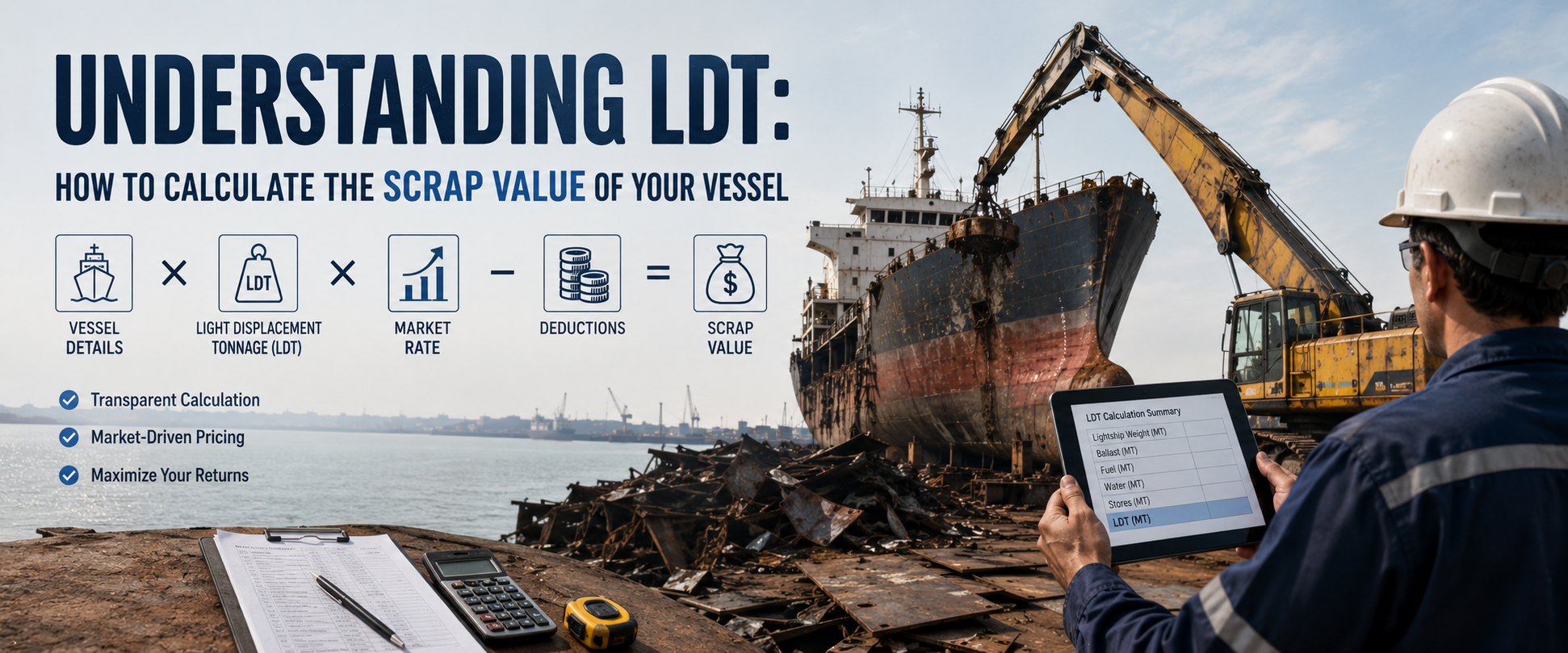
Market & LDT Analysis
Understanding LDT: How to Calculate the Scrap Value of Your Vessel
28 Apr 2026 · Market Intelligence DeskRead
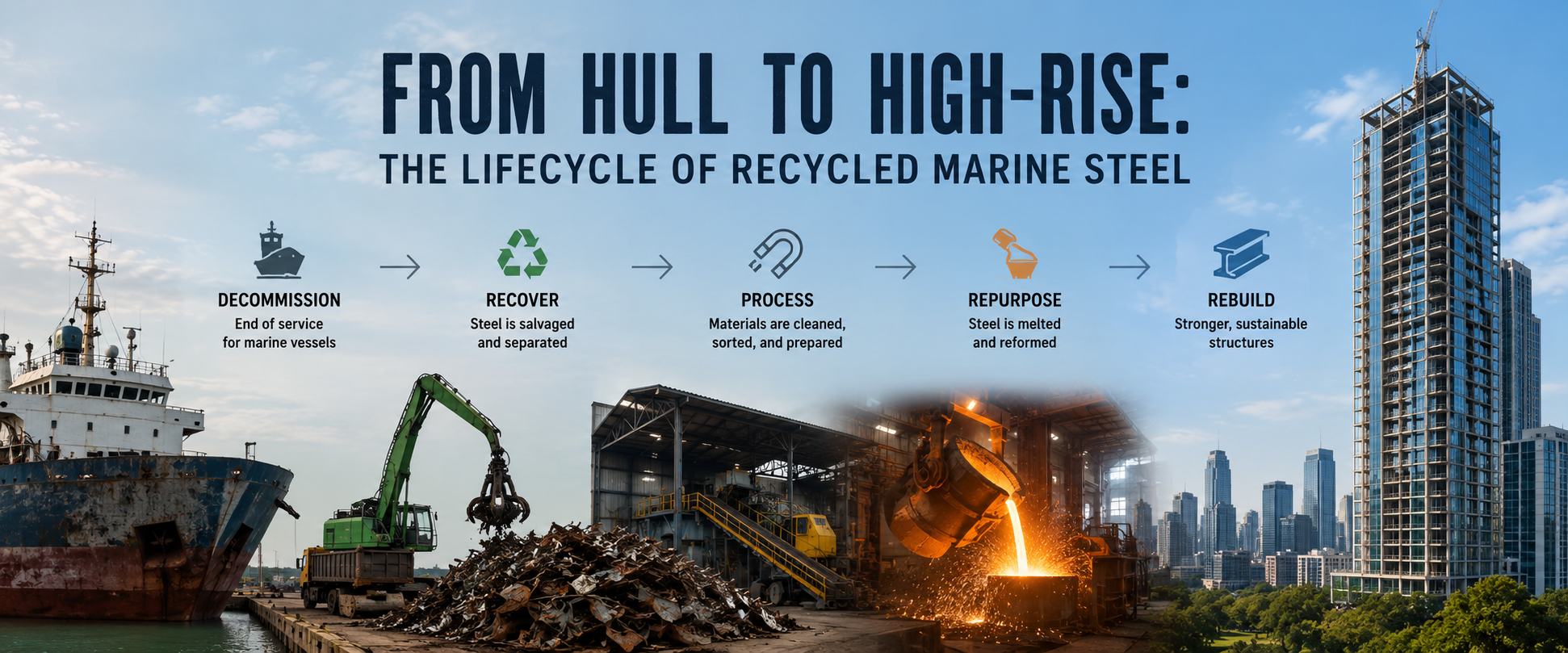
Circular Economy
From Hull to High-Rise: The Lifecycle of Recycled Marine Steel
28 Apr 2026 · Sustainability TeamRead

Safety & Workforce
Zero-Harm Initiative: Baraka's New Standards for Worker Safety Training
28 Apr 2026 · HSE DepartmentRead